Overnight Oiling
Is It Right for You?
By Nat Habit
If you’ve ever wondered whether leaving oil on your hair overnight is a miracle or a mess, you’re not alone. Hair oiling, especially overnight, has been a cherished ritual across cultures—particularly in Ayurveda—but with so many opinions floating around, it’s easy to get confused. Let’s unravel the science, bust some myths, and help you decide if overnight oiling suits your hair and lifestyle.
Why Overnight Oiling Can Be a Powerhouse for Hair Health

Slow and Steady Absorption
Hair and scalp are living tissues that absorb nutrients slowly. Overnight oiling offers prolonged contact time, allowing the oil’s bioactive compounds—like fatty acids, antioxidants, and herbal phytochemicals—to penetrate deep into hair follicles and the scalp’s epidermal layers. Research on transdermal absorption shows that longer exposure increases uptake, which means your hair gets the sustained nourishment it needs to stay strong and glossy.
Scalp’s Nighttime Regeneration
During sleep, your body enters repair mode. The scalp, like the skin, rejuvenates by renewing cells and balancing sebum production. Oil acts as a protective barrier that locks in moisture and shields the scalp from dryness and irritation caused by environmental stressors. Scientific studies affirm that hydrated skin maintains a healthier barrier function, reducing inflammation—a key factor in hair fall and scalp sensitivity.
Stress Relief Through Touch and Aroma
Massaging oil into your scalp before bedtime isn’t just about hair. The gentle touch stimulates pressure points and mechanoreceptors, triggering the release of calming neurotransmitters like serotonin and endorphins. Many Ayurvedic oils contain calming herbs whose aromas promote parasympathetic nervous system activation—the “rest and digest” mode. Lower cortisol (stress hormone) levels directly benefit hair growth, as chronic stress is a known trigger for hair thinning.
Myth Busters Around Overnight Oiling

Myth 1: Overnight oiling clogs pores and causes scalp acne.
Fact: While excess oil can exacerbate scalp issues, this is usually due to poor cleansing or using the wrong oil type. Natural oils rich in linoleic acid and anti-inflammatory compounds (like coconut, sesame, or herbal blends) actually balance sebum production and soothe inflammation. The key is to wash hair thoroughly with a mild cleanser after overnight oiling.
Myth 2: Leaving oil overnight makes hair greasy and heavy.
Fact: The greasy feel after oiling is temporary and mostly surface-level. With proper shampooing, the hair regains its natural bounce. Plus, overnight oiling strengthens the hair shaft from within, reducing breakage and frizz in the long run.
Myth 3: Overnight oiling causes hair fall.
Fact: Hair fall can happen due to many reasons, but overnight oiling itself doesn’t cause it. In fact, oils improve scalp health and follicle function, which can reduce hair fall when done correctly.
When Overnight Oiling Might Not Be Ideal
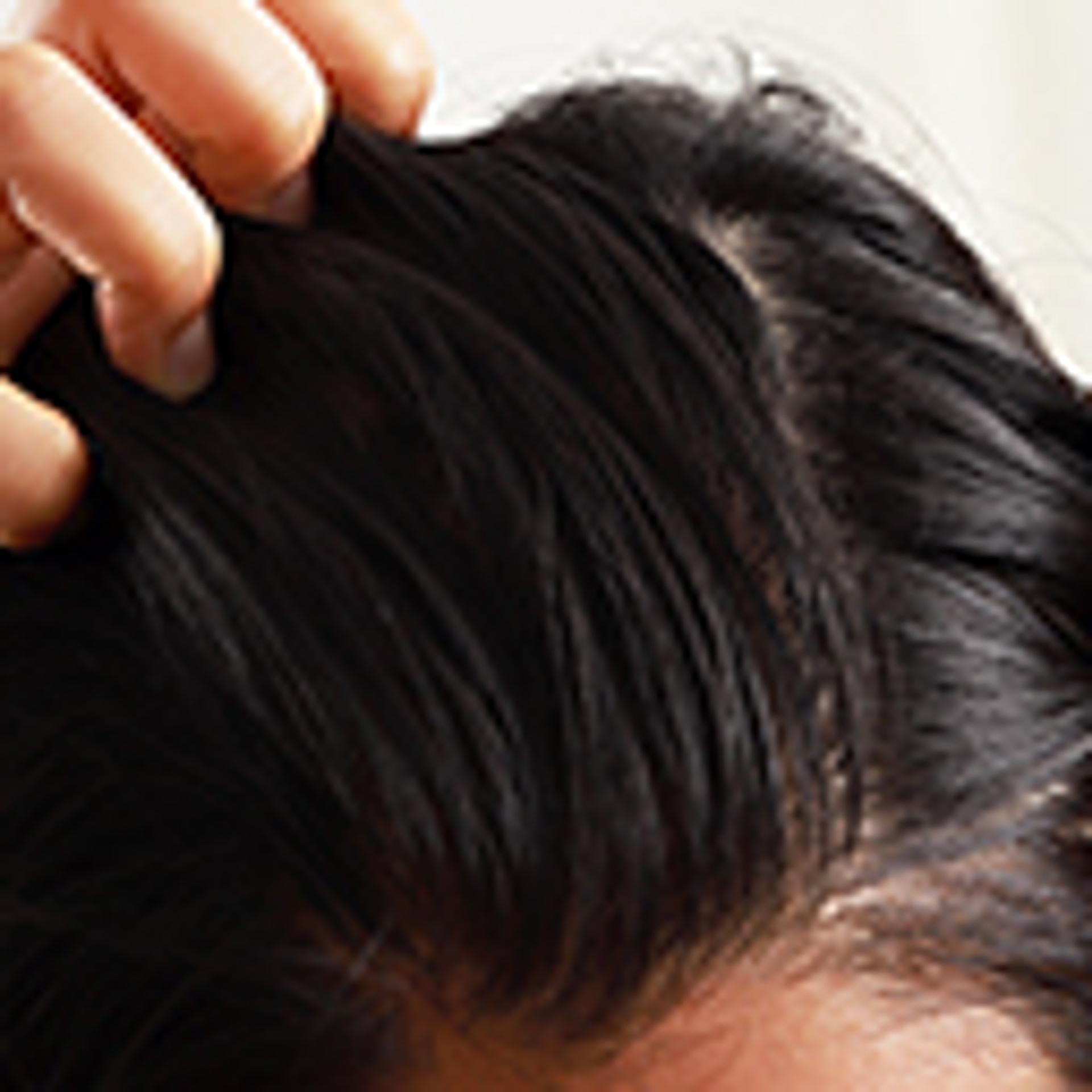
- Oily or Acne-Prone Scalp: If your scalp produces excess oil or is prone to dandruff or fungal infections, leaving oil on overnight without proper cleansing can worsen these conditions.
- Fine or Thin Hair: Heavy oils overnight might weigh down your strands and make hair appear limp.
- Poor Quality Oils: Mineral oil-based or synthetic blends don’t penetrate and can cause buildup, blocking follicles and leading to scalp issues.
How to Do Overnight Oiling the Right Way
Science and Ayurveda Combined
Choose the Right Oil:
Pick light, cold-pressed oils enriched with herbs known for scalp health and hair strength—such as Bhringraj, Amla, Brahmi, and Neem. These oils contain fatty acids and antioxidants that penetrate the scalp’s lipid barrier to repair and protect.
Warm it Up:
Warm oil enhances follicular absorption by slightly opening scalp pores and relaxing the hair cuticle. Scientifically, warmth increases molecular movement, improving nutrient diffusion.
Massage with Care:
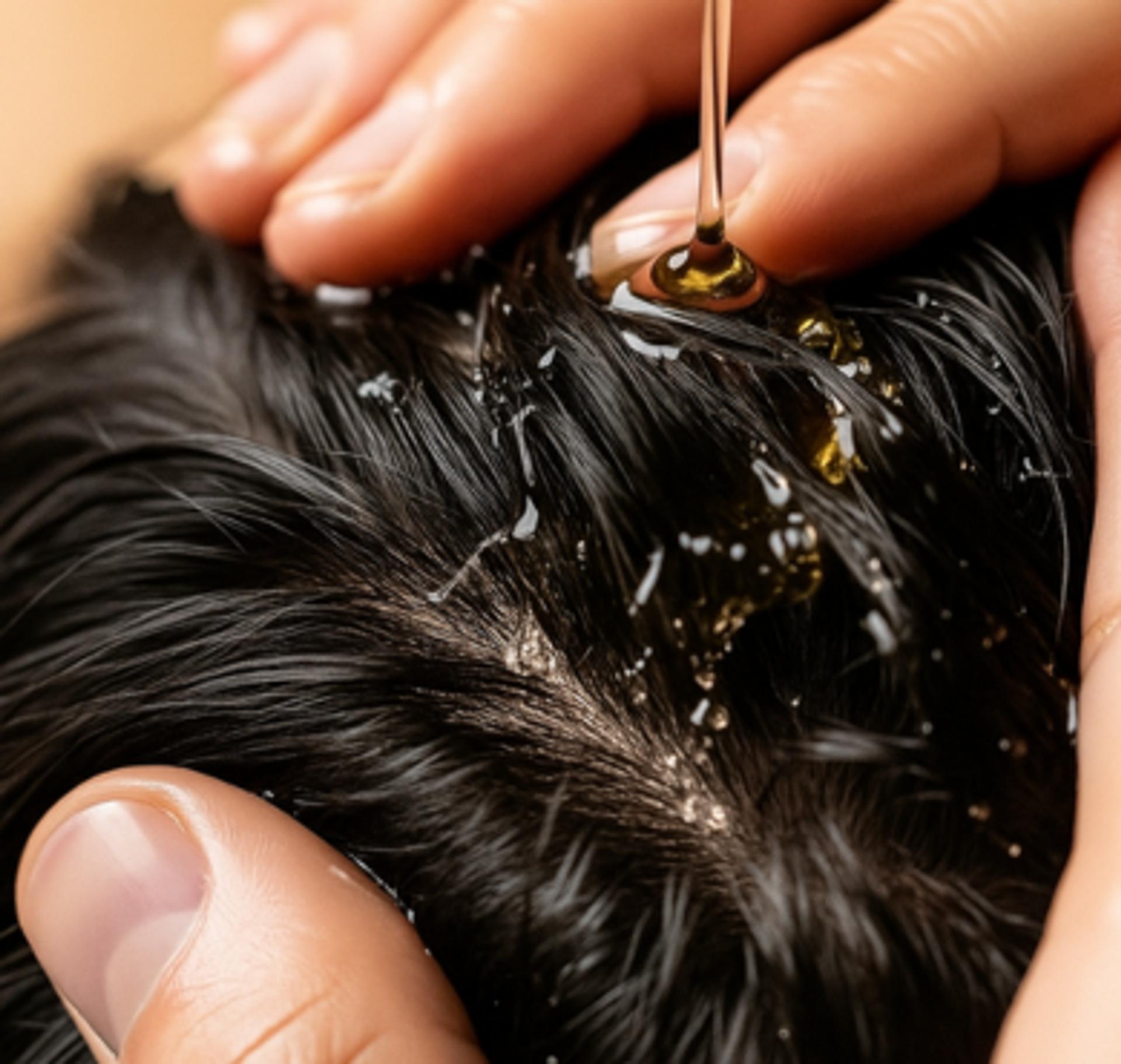
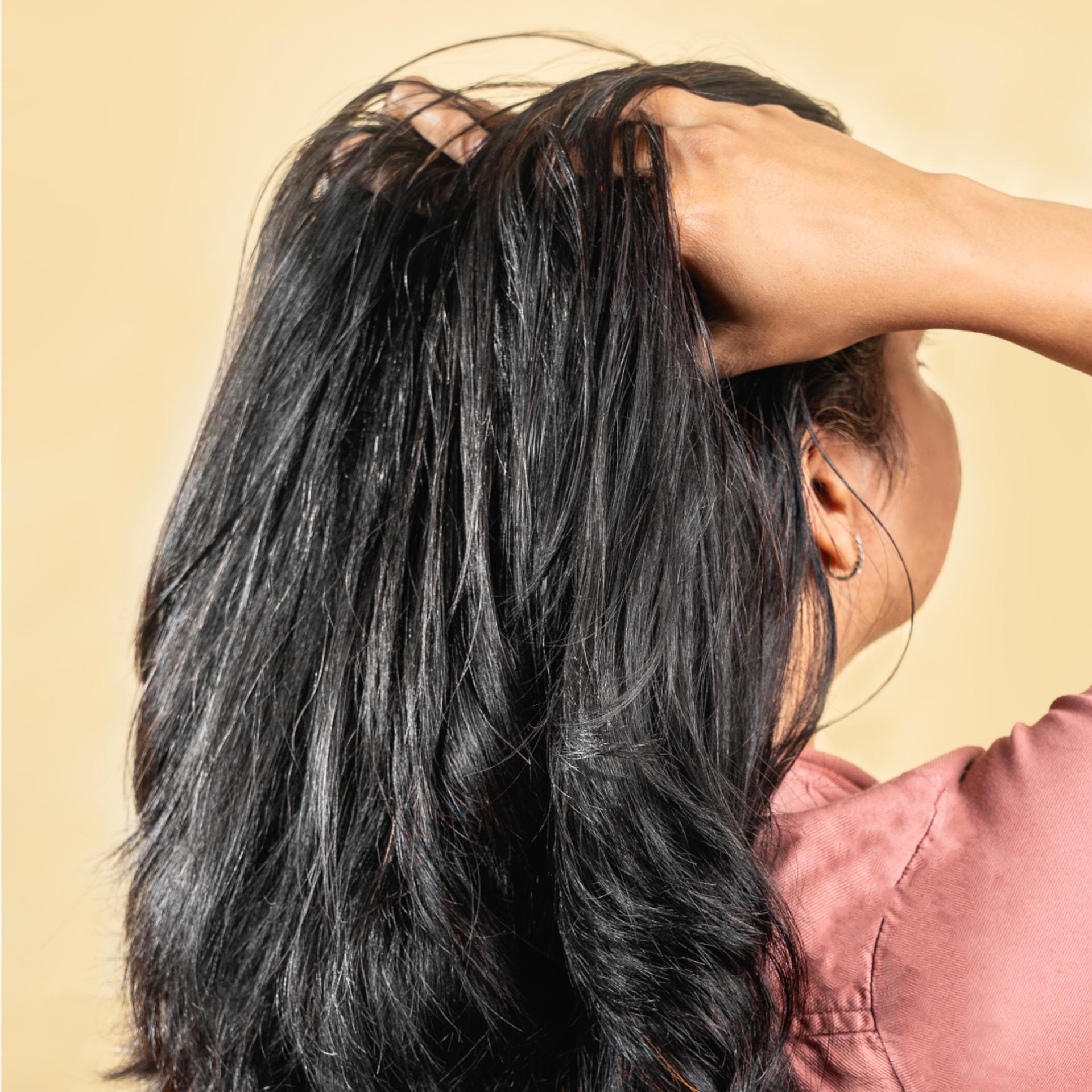
Use gentle circular motions with your fingertips to stimulate blood circulation and activate marma points on the scalp. This boosts oxygen delivery and helps remove metabolic waste, creating a healthy environment for hair growth.
Protect Your Pillow:
Cover your pillow with an old towel or a silk scarf to avoid stains and hair oil mess.
Wash Thoroughly:
Use a gentle, sulfate-free shampoo to cleanse excess oil without stripping natural moisture.
The Bottom Line

Overnight oiling isn’t just about hair nourishment; it’s a ritual of self-care, patience, and deep connection with your body. When done mindfully, it gives your hair the time and environment to absorb potent nutrients, revitalize damaged follicles, and calm your mind—helping you wake up to healthier, shinier hair.
But remember, it’s not a one-size-fits-all. Know your scalp type, pick the right oils, and listen to your hair’s needs. Then, let the magic unfold, drop by drop, overnight.