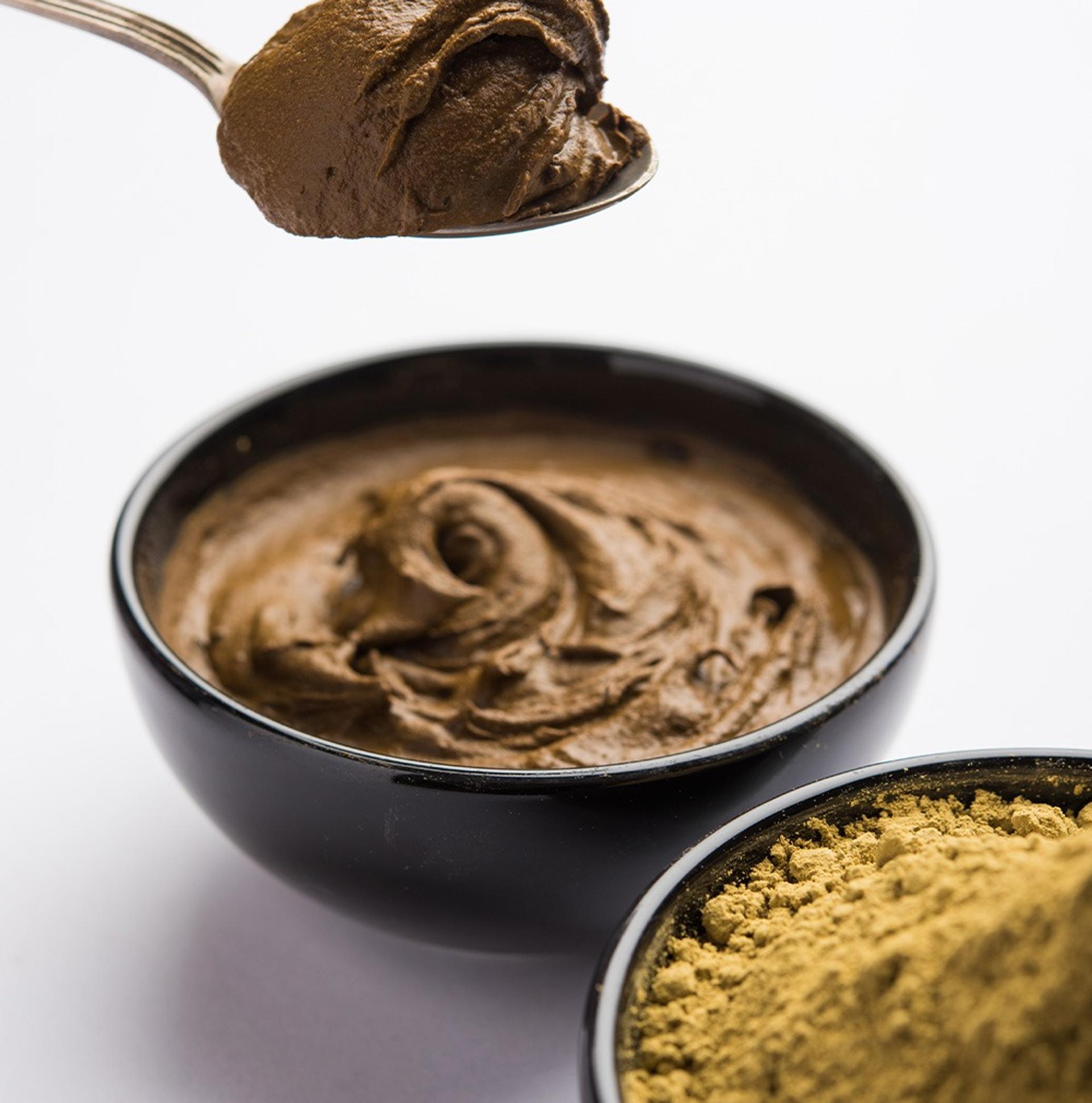
The Beginner's Guide to Different Types of Henna
By Nat Habit
Embarking on your henna journey is like stepping into a living tradition—one that has flourished across cultures for over 5,000 years. But in today’s market, what’s sold as “henna” could be many things—some authentic, some diluted, some downright damaging.
This beginner’s guide is your compass through the world of Natural, Black, and Neutral Henna. Let’s explore their origins, properties, and how to make the right choice for your hair and skin.
The Pure Grace of Natural Henna’s Stain:
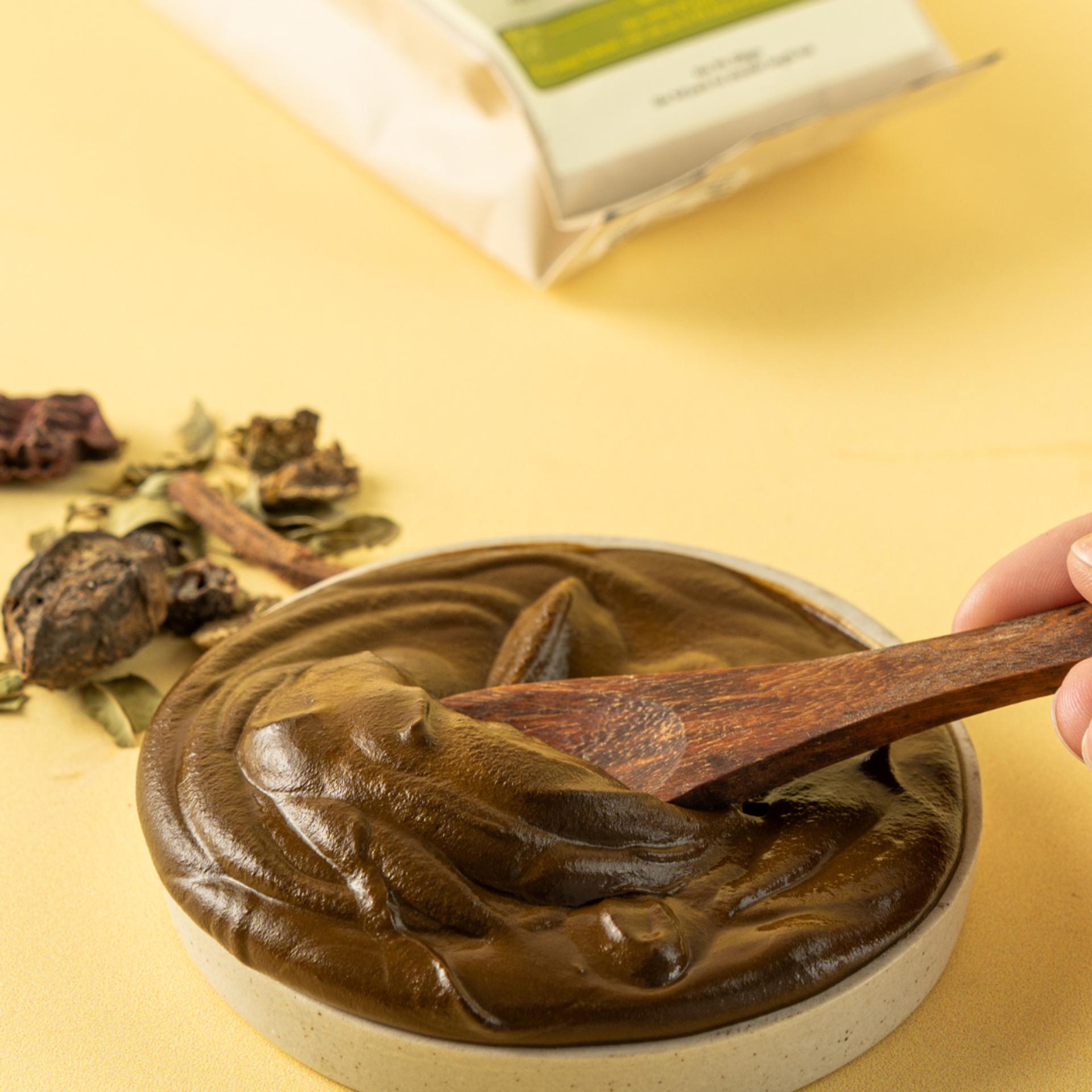
Botanical name: Lawsonia inermis
Main pigment: Lawsone (2-hydroxy-1,4-naphthoquinone)
Natural stain: Orange to deep reddish-brown
Natural henna is the gold standard—the true, unadulterated leaf of the Lawsonia inermis plant, rich in the bioactive pigment lawsone, which binds with keratin in hair and skin. The best henna in India comes from Sojat, Rajasthan, thanks to its alkaline soil and dry climate, though other regions like Punjab, Haryana, Gujarat, and Madhya Pradesh also contribute.
Forms of Natural Henna in the Market:
1. Powdered Henna:
Created by drying and milling henna leaves, then sieving for purity. A triple-sifted powder offers the smoothest application. There are three subtypes:
- Pure Organic Henna:
100% leaf powder, no additives. Best for those who want deep color and zero compromise. - Herb-Enriched Henna:
Blended with botanical powders like amla (rich in vitamin C), manjistha (for deeper red tones), or rosemary (for scalp stimulation). These herbs enhance henna's conditioning and toning benefits. - Chemical or Instant Henna:
Often laced with paraphenylenediamine (PPD) or synthetic dyes for instant black or burgundy tones. These are not true henna and can cause skin irritation, allergic reactions, or long-term damage to hair structure.
2. Henna Paste (Ready-to-Apply):
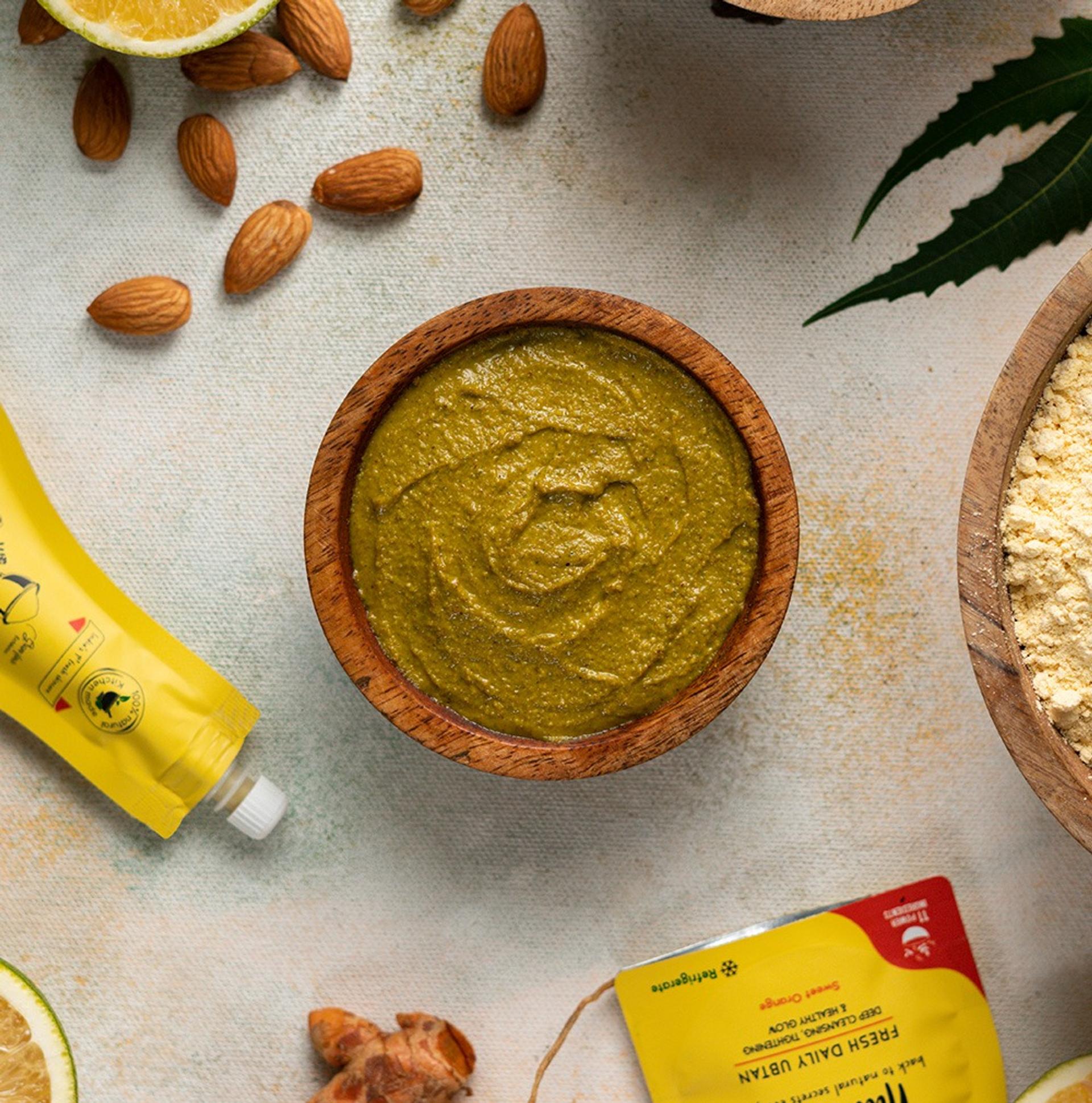
Convenient but tricky. Pre-mixed pastes often spoil easily, so many commercial brands add preservatives. At Nat Habit, we’ve solved this with a preservative-free, herb-rich, freshly made henna paste. Just tear, pour, and apply—zero mess, zero compromise.
Also read: How to Use Henna: A Beginner’s Guide
The Shadow of Black Henna:
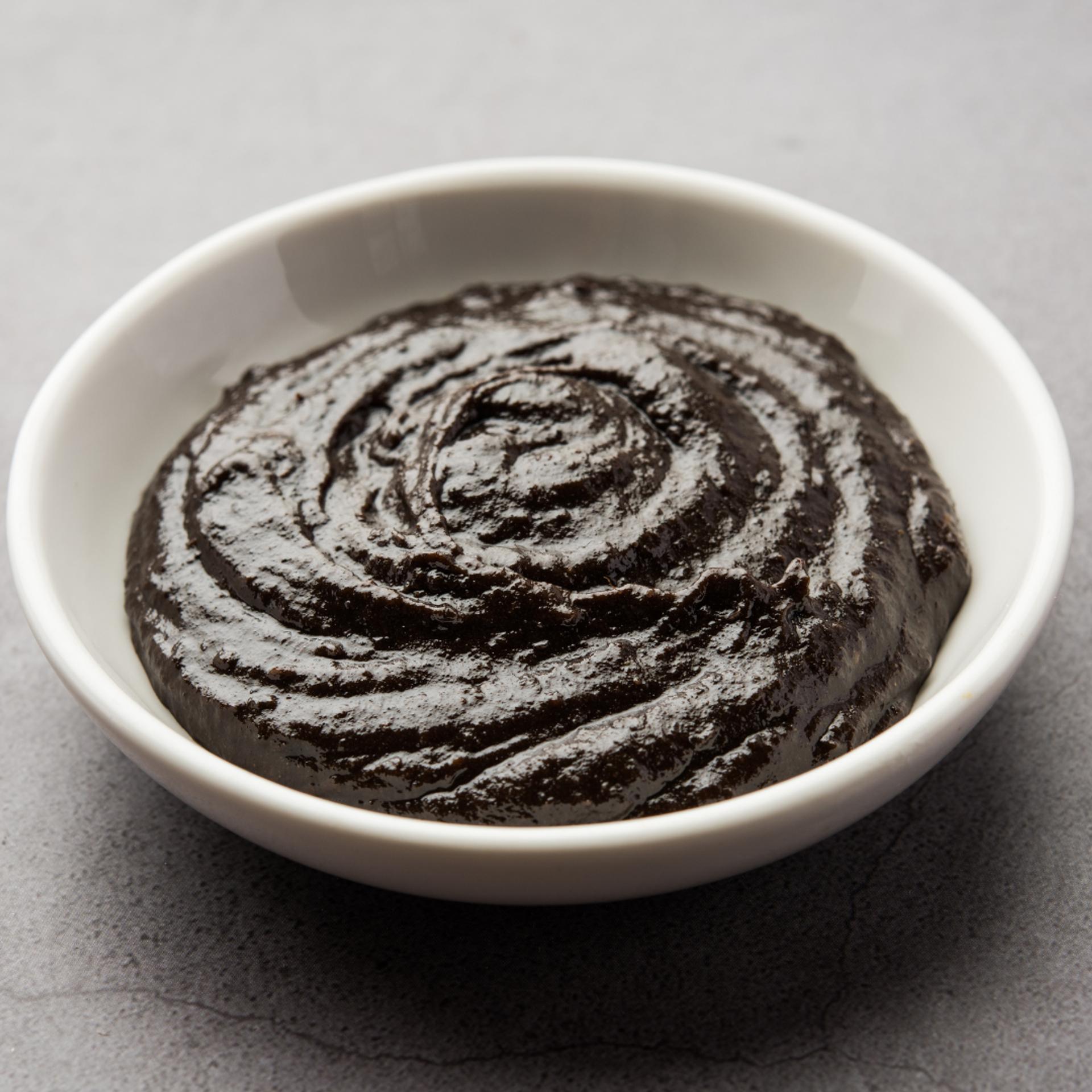
Spoiler alert: There’s no such thing as “black henna” in nature.
The dark black stain often associated with “black henna” comes from additives—not from henna itself.
There are two common variants of what’s marketed as black henna:
- Henna + Indigo (Natural Blend):
Indigo (Indigofera tinctoria) can naturally darken hair over repeated applications. When mixed with henna, it can create deep brown to near-black shades—safely, if done right. - Henna + PPD or Chemical Dyes (Synthetic Black Henna):
These offer immediate jet-black color but are laced with PPD, a known allergen. Side effects include burning, blistering, and long-term skin sensitization. Never apply these on skin, especially for body art or bridal use.
Also read: Is Black Henna Real?
The Subtle and Neutral Touch of Senna & Cassia
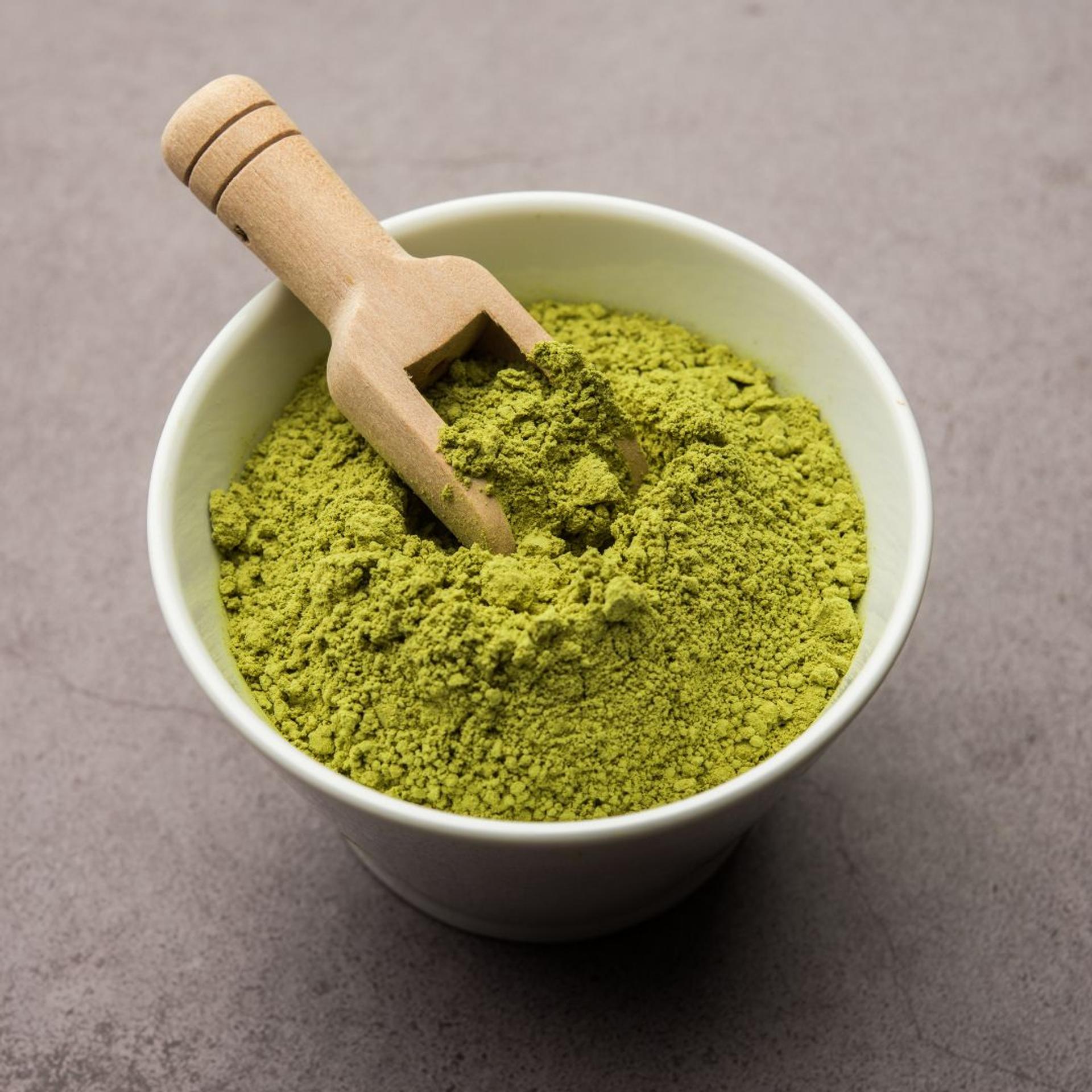
Neutral henna is a misnomer. It’s not henna (Lawsonia inermis) at all—but Cassia obovata or Senna italica, two separate plants known for their hair-conditioning properties.
- Color payoff: Very light to no stain, may leave a warm golden tinge on very light or grey hair.
- Main benefit: Conditioning, strengthening, and scalp purification—without altering your natural hair color.
- Best for: Those seeking the benefits of henna without its intense color—especially useful for people with already colored or chemically sensitive hair.
Conclusion
Know Your Henna, Own Your Ritual
Each type of henna tells a different story.
- Choose Natural Henna for deep nourishment and rich, lasting hues.
- Use Black Henna (with Indigo) only if you’re following a safe, natural, two-step coloring method.
- Reach for Neutral Henna when you want the care, but not the color.
At the end of the day, your henna ritual is yours to own—rooted in choice, knowledge, and self-care.
Want to save the effort of prep? Try our All-Natural Ready-to-Apply Henna—made fresh, with herbs and love. Just tear, pour, apply… and let nature do the rest.
(Watch what our co-founder says about Ready-to-Apply Henna Paste.)