The Hidden Truth Behind That Morning Splash
What’s Inside Your Face Wash?
By Nat Habit
As morning breaks—with bird songs or alarms—we rise and reach for our day’s first ritual: the face wash.
That 60-second splash, a wake-up call, a cleansing breath for the skin.
We rub, we foam, we rinse—and walk away feeling squeaky clean, ready to face the world.
But pause for a moment.
Have you ever wondered—what really happens in those 60 seconds?
What exactly is swirling inside that tube labeled “gentle,” “refreshing,” or “glow-boosting”?
Why does your skin feel tight… dry… strangely polished?
Could it be that this feeling of clean is not your skin is cared for, but chemically overworked?
Let’s uncap the tube. Let’s investigate the true chemistry of cleansing.
What’s Hiding Inside?
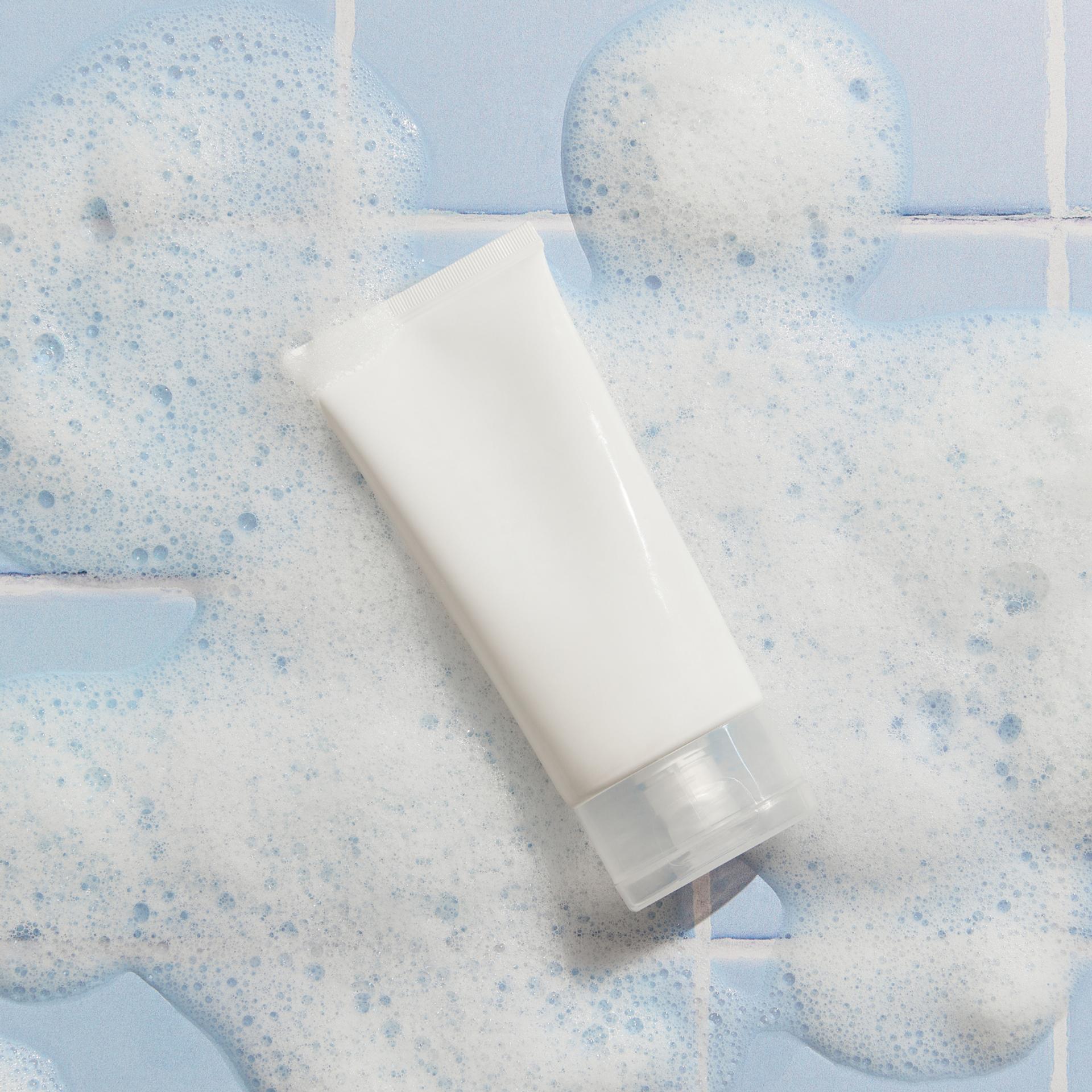
Face washes are rarely innocent. They are often loaded with synthetic surfactants, preservatives, fragrance chemicals, and solvents—each designed to foam, preserve, scent, or emulsify. But at what cost to your skin?
Here’s a deeper look at the most common hidden chemicals and their long-term effects:
1. Sodium Lauryl Sulfate (SLS) & Sodium Laureth Sulfate (SLES)
What it is: Harsh detergents responsible for that satisfying foam.
What it does:
- Strips away natural oils and lipid lamellae that protect skin barrier
- Damages corneocyte cohesion, making the outer layer of skin more permeable and prone to transepidermal water loss (TEWL)
- Leads to compensatory sebum overproduction, triggering acne, sensitivity, and an oily-dry imbalance
Result: Skin feels clean but is biologically compromised.
2. Alcohols (Denatured Alcohol, Isopropyl Alcohol)
What it is: Used for quick-drying, degreasing, or a “matte” effect.
What it does:
- Denatures proteins on the skin’s surface, impairing protective enzymes
- Triggers micro-inflammation and free radical release
- Exacerbates sensitivity, rosacea, and barrier breakdown
Result: A temporary matte look, but long-term damage to skin integrity.
3. Artificial Fragrances & Parfum
What it is: A blanket term hiding hundreds of synthetic compounds.
What it does:
- Contains phthalates, known endocrine disruptors
- Can cause irritant contact dermatitis, especially in sensitive skin
- Lodges in skin tissue and may trigger phototoxic reactions under UV light
Result: Smells like roses—burns like acid underneath.
4. Formaldehyde Releasers (DMDM Hydantoin, Quaternium-15)
What it is: Preservatives that slowly release formaldehyde to prevent microbial growth.
What it does:
- Causes DNA fragmentation and oxidative stress
- Linked to skin sensitization, eczema, and potential carcinogenicity with long-term exposure
Result: A longer shelf life for your face wash, a shorter one for your skin cells.
5. Triclosan & Triclocarban
What it is: Antibacterial agents once popular in acne and oil-control washes.
What it does:
- Disrupts the skin’s microbiome—your first line of defense
Result: Fewer pimples short-term, but long-term damage to your skin ecosystem.
The Illusion of Clean
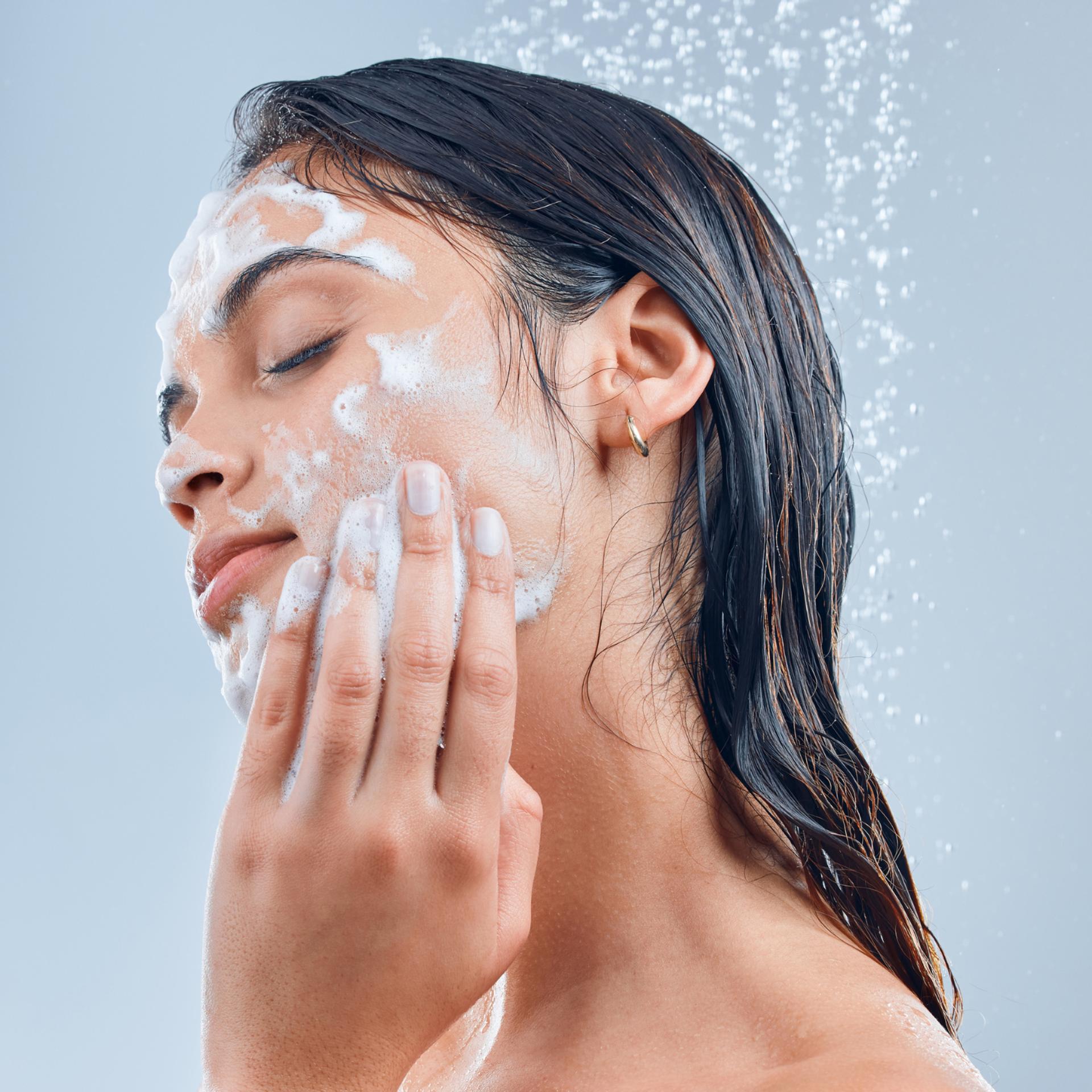
Many of us have normalized the signs of chemical disruption:
- That tight, squeaky feeling after cleansing
- Shiny yet flaky skin
- A false sense of "glow" that’s actually inflammation-driven
- A daily cycle of oiliness, breakouts, and dryness
But skin isn’t meant to feel stripped.
True cleansing should leave skin hydrated, elastic, and balanced, not craving moisture or defense.
Final Thought
Don’t Just Wash. Rebuild.
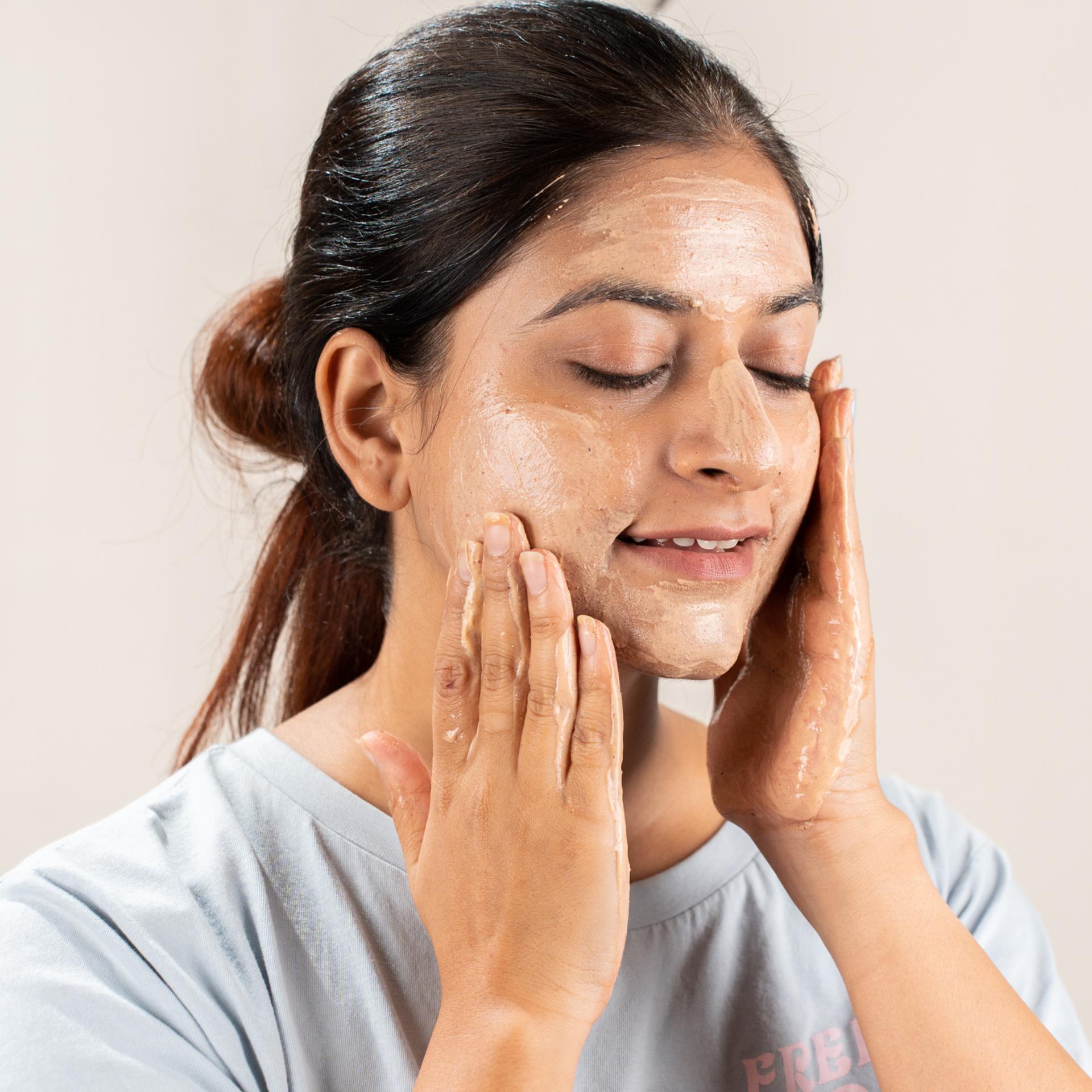
Each time you wash your face, you’re making a decision:
To polish the surface—or to nurture the skin’s internal intelligence.
Let your morning splash become more than a habit. Let it be a restorative act.
Let your cleanser not be a saboteur, but a collaborator.
Because true skincare isn’t about foam, fragrance, or immediate glow.
It’s about long-term cellular resilience.
And your skin?
It deserves 60 seconds of support, not sabotage.